


Some experiences stay with us not just because of the event itself, but because of what comes after. For me, LCOY Nepal 2024 was one of those experiences.
At that time, I was serving as the Secretary of Sustainability Week IOF Pokhara. During that period, Sustainability Week Kathmandu (SWK), in collaboration with YASEN, was organizing LCOY Nepal 2024. I had already spent almost two years being involved in climate space through organizing programs, communication, and youth engagement. When I saw the opportunity to be part of LCOY Nepal 2024, I applied with excitement, went through the interview process, and was selected as a volunteer.
To be honest, I expected to gain experience, but what I did not expect was that it would become a space that would shape the people I connect with and the spaces I would later become part of.
More than just a conference:
LCOY Nepal 2024 brought together young people from different disciplines and places. Students, researchers, activists, professionals, and youth leaders with different experiences but shared interest in climate action.
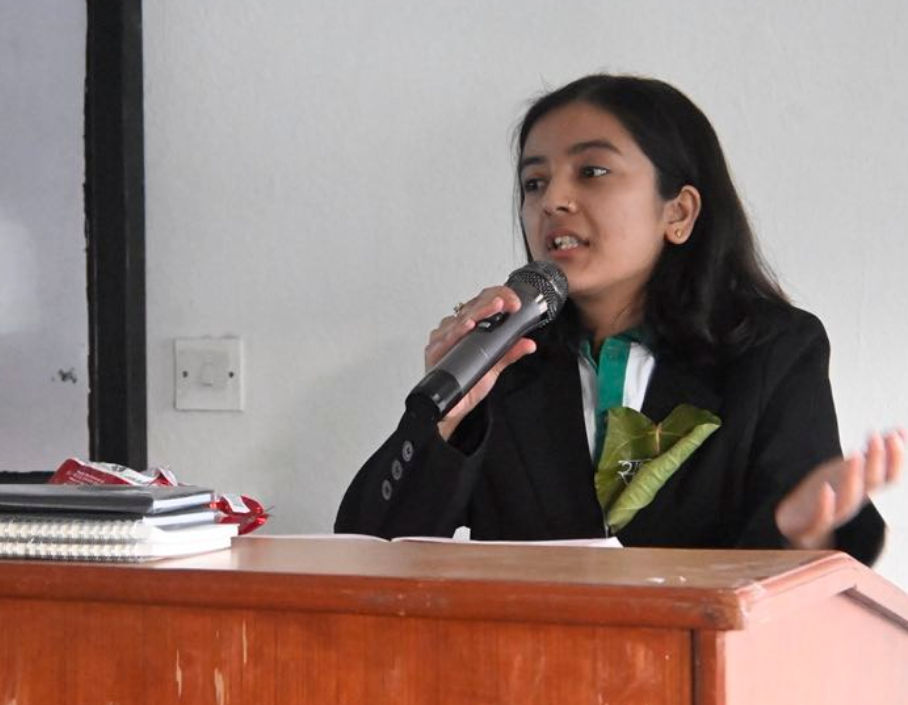
As a volunteer, I had the opportunity to contribute in various ways throughout the conference. I supported facilitations during NDCs discussions, helped with coordination, and stayed engaged across different sessions and activities.

What stood out to me was seeing how participants were not only attending the sessions but also actively participating, sharing ideas, and shaping the conversations.
One of the major highlights of the conference was the National Children and Youth Declaration (Phases 1 and 2 ), where children and youth from across Nepal contributed their perspectives and priorities about climate action.
Throughout the conference, some sessions expanded the way I think about climate issues.
The sessions “Save our snow” connected science, advocacy, and action by discussing changes happening in the Himalayan region.
The panel discussion on opportunities and challenges for young people in climate spaces gave practical insights into building a journey in climate space.
Sessions on indigenous knowledge and local agrifood systems reminded me that the climate solutions are not always new; many of them already exist in our community and traditional practices.
The Mock COP simulation was one of the most engaging experiences that made climate negotiations more interactive and easier to understand.
Other sessions explored climate finance, youth engagement, challenges in the Hindu Kush-Himalaya region, and Nepal’s multi-hazard risk and resilience measures.
A session by a Joint Secretary from the Ministry of Forests and Environment on Nepal’s climate commitments, NDCs, and global agreements also helped connect policy discussions and ongoing actions.
More than a learning:
When I look back now, one of the biggest things that LCOY gave me was not only knowledge, but also a connection. Between sessions, volunteer responsibilities, and conversations in between, I met people working in climate spaces in very different ways. Some were from tech, some from law, some from social sciences, and many from environmental backgrounds.
Those conversations reminded me that climate action is not limited to people from disciplines directly connected to climate, like environmental science and forestry. It is built through people, collaboration, and bringing different perspectives together. LCOY reminds you that there is space for everyone in climate action.

Looking back now, it feels meaningful that some of those connections continued beyond that conference and became part of my journey later on, including the space I am part of today, Nepal Climate Hub. In many ways, that same spirit of youth collaboration, communication, and action continues there, too.
LCOY showed me that opportunities do not always come directly from sessions or certificates; sometimes they come from conversations during tea break, shared ideas, and the people you meet along the way.
Looking ahead:

As LCOY 2026 approaches, I look back on that experience with gratitude.
LCOY Nepal 2024 gave me the chance to learn, contribute, and connect. It reminded me that climate action is not limited to one discipline and that youth spaces become meaningful when people feel welcomed to participate and share.
If there is one thing that I carry forward from LCOY, it is this:
You never know which conversation, session, or connection will shape your next step.
If you are thinking of applying to LCOY Nepal 2026, take the chance, you never know: you might leave with new perspectives, meaningful connections, and opportunities you never expected.